
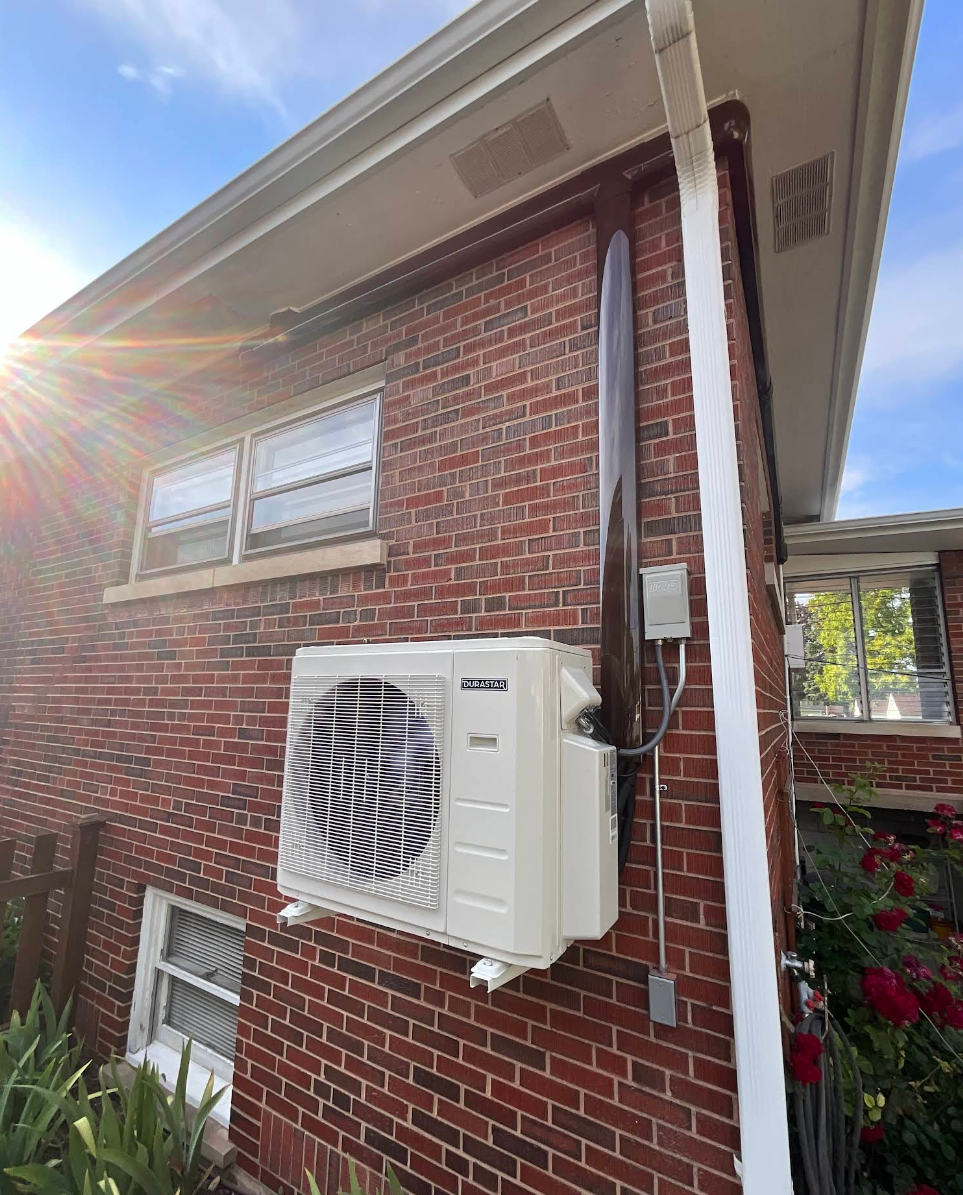

Over the course of a proper diagnostic visit, you should expect a systematic evaluation where a technician checks thermostat settings, airflow, filters, coils, compressor operation and uses gauges to measure refrigerant levels; they will test for electrical hazards and possible refrigerant leaks, perform safety checks, and provide accurate testing results along with a written estimate and a clear repair plan so you know the scope, cost and timeline before any work begins.
Key Takeaways:
- Systematic inspection and testing: visual check, airflow and temperature measurements, refrigerant pressure readings, and electrical diagnostics to pinpoint the fault.
- Clear, written diagnosis with root cause identification, itemized repair options and costs, and distinction between temporary fixes and permanent solutions.
- Local compliance and safety: licensed technician handling refrigerant per EPA rules, permits if required, seasonal/load considerations for River Grove, and warranty/maintenance recommendations.
Understanding Common AC Issues
In River Grove summers you often face four failure types: refrigerant leaks, airflow restrictions, electrical faults, and compressor wear. If your system is over 10-15 years old, failure risk increases and you may see 15-25% higher energy bills. Technicians typically measure target airflow of 350-450 CFM per ton, check static pressure, verify refrigerant charge, and perform electrical tests to narrow down the cause quickly.
Refrigerant Leaks
Signs of a leak include reduced cooling, ice on the evaporator, hissing at the line set, or longer run times. Because R‑22 was phased out in 2020, repairs on older systems can cost several hundred to over $1,000 for reclaimed gas, while R‑410A remains more widely used. When you see oil stains or soap-bubble activity at fittings, a tech will use electronic detectors and pressure tests. Do not top off refrigerant yourself; EPA requires certified handling and the leak must be fixed for lasting efficiency.
Electrical Failures
When you lose cooling with a humming outdoor unit or repeated breaker trips, electrical issues are often the culprit: failed capacitors, contactors, corroded wiring, or control-board faults. Capacitors typically degrade after 5-15 years, and a weak run capacitor can make motors draw up to 2-3× their normal current, tripping breakers and risking motor burnout. Your technician will measure voltage, amperage, continuity, and inspect terminals and breaker conditions to pinpoint the fault.
On a recent River Grove call, a five-ton condenser was short-cycling; the tech found a pitted contactor and a 40 µF capacitor at 70% of spec. Replacing the contactor and installing a new 45 µF run capacitor restored full cycles and reduced compressor start current by 30-40%, eliminating nuisance trips. You should have contact points cleaned, capacitor values checked within ±5% of spec, and any overheated wiring replaced to avoid fire hazards and costly motor replacements.
The Importance of Accurate Diagnosis
When a system underperforms, you need a diagnosis that separates airflow, refrigerant, and electrical faults quickly; technicians typically spend 30-90 minutes and charge $75-$150 for a proper evaluation. Accurate testing-pressure gauges, amp draws, and coil temperature differentials-lets you avoid repeated trips and ensures the correct part is targeted, so your unit runs at designed efficiency and approaches its expected 10-15 year lifespan.
Effects of Misdiagnosis
Misdiagnosing an issue often leads you to replace the wrong component-imagine paying for a $1,200 compressor swap when a $50 capacitor was the culprit-causing unnecessary downtime and waste. Beyond cost, incorrect repairs can create safety hazards: an overlooked electrical fault can produce arcing or overheating, increasing the risk of fire and accelerating system failure.
Cost Implications
You face a range of costs depending on the fix: a refrigerant recharge typically runs $150-$400, capacitors and contactors are often $100-$300, while compressors commonly cost $800-$2,500 installed. A precise diagnosis prevents you from paying large replacement bills and minimizes lost cooling days during River Grove heat spells.
Digging deeper, consider that emergency or weekend service can add a 20-50% premium, so avoiding repeat callbacks saves substantial money. Also, incorrect repairs may void manufacturer warranties (many cover major components for 5-10 years), and routine maintenance costing $100-$200 annually often prevents higher repair bills, giving you better long‑term value from your system.
The AC Repair Diagnosis Process
You move quickly from visual clues to measured data: a dirty filter, a sagging belt, or a tripped breaker can explain many issues, but you verify with numbers – 16-20°F evaporator delta‑T, roughly 400 CFM per ton, and proper refrigerant pressures – before replacing parts. Technicians in River Grove often log thermostat offsets, amperage, and refrigerant charge on a digital form so you can see whether a 3‑ton system is undersized ductwork, low refrigerant, or a failing compressor.
Initial Evaluation
You perform a fast but thorough walkthrough: check filters, condensate drain, thermostat calibration, and exterior unit condition; also verify power at the disconnect (usually 208-240 VAC for split systems). If you spot frayed wiring or a bulging capacitor, tag it as electrical hazard and isolate power before any further testing. Typical findings include clogged filters reducing airflow by 20-40%.
Comprehensive Testing
You then run targeted tests: manifold gauges to read low/high pressures, measure superheat/subcooling, record supply/return temps for delta‑T, and measure airflow and amp draw. For example, low side readings of 60-80 psi with abnormally high superheat often indicate low refrigerant, while a 3‑ton unit should move about 1,100-1,300 CFM.
Additional steps include leak detection with an electronic sniffer or UV dye, duct leakage tests, and comparing measured compressor amps to the nameplate – if measured amps exceed 125% of nameplate, you suspect motor stress or a failing start device. You also record static pressure (typically under 0.5 in. w.c.) and document each reading so repairs are based on data, not guesswork.
Tools and Equipment Used in Diagnostic
Manifold gauge sets, a vacuum pump, refrigerant recovery machine, leak detector, infrared thermometer, refrigerant scale and a good multimeter form the core kit you’ll rely on during a River Grove diagnosis. Technicians also bring nitrogen for pressure testing and a digital micron gauge to confirm evacuation to 500 microns or lower. You should pick tools rated for the refrigerant (R‑410A vs R‑22) and wear PPE because some procedures expose you to high pressure and harmful refrigerant.
Pressure Gauges
Manifold gauges measure low‑ and high‑side pressures so you can compare readings to spec and spot undercharge, overcharge, or restriction. For example, systems running R‑410A often show low‑side pressures near 100-140 psig and high‑side around 300-400 psig under normal load; deviations point to leaks, metering device faults, or compressor issues. You must isolate the high side and use rated hoses and fittings to avoid dangerous overpressure.
Multimeters
Your digital multimeter verifies 24VAC thermostat circuits, 120/240VAC motors, continuity and capacitor functionality; typical HVAC run capacitors read between 35-70 µF and should match nameplate within about ±6%. You’ll check transformer outputs (expect ~24VAC between R and C) and test fuses and contactors, while treating every live measurement as an electrical hazard that requires insulated probes and care.
True RMS meters and clamp meters improve accuracy when measuring noisy inverter drives or motor currents; expect typical run amps from smaller residential compressors around 8-20 A and larger units 20-60 A, with inrush several times higher. You should use a clamp to capture running and starting current, use min/max logging to catch intermittent faults, and verify capacitor microfarad readings rather than relying solely on visual inspection.
Choosing a Reliable AC Repair Service in River Grove
You should verify technicians’ credentials – look for NATE and EPA 608 certifications, written estimates, and 24-month labor warranties on major repairs; compare response times and pricing against nearby firms such as AC Repair in Elk Grove, IL to confirm availability and typical diagnostic procedures.
Certification and Experience
Check for NATE certification and at least 5+ years of HVAC experience; experienced techs perform amp-draw, refrigerant pressure, and superheat/subcooling tests to pinpoint compressor, metering device, or leak issues – mishandling refrigerant or high-voltage components can be dangerous, so insist on certified technicians.
Customer Reviews and Recommendations
Scan Google, Yelp, and BBB for a minimum 4.5‑star average from 50+ reviews, watch for repeated complaints about missed appointments or hidden fees, and prioritize companies with detailed before/after photos and documented invoices to verify workmanship and parts used.
Ask for job-specific references and itemized invoices; a River Grove homeowner I reviewed saved $800 when a second company documented a refrigerant leak missed by the first tech. You should request temperature-split, pressure readings, and warranty terms in writing before authorizing repairs to confirm the diagnosis and protect your investment.
Preventive Maintenance Tips
You should follow targeted preventive maintenance steps-change filters, clean coils, and keep clearances-to extend system life and avoid emergency AC repair in River Grove, IL.
- Change filters every 30-90 days; monthly with pets.
- Keep at least 2 ft clearance around the outdoor unit and clean fins annually.
- Schedule a professional tune-up before May and always power off the unit before any hands-on work to avoid electrical hazard.
The small $75-$150 tune-up typically prevents costly failures like a $1,200 compressor replacement.
Regular Filter Changes
You should replace pleated filters every 30-90 days-monthly if you have pets or allergies; upgrading to MERV 8-11 captures more dust and can reduce compressor runtime by up to 10%, lowering the chance of costly AC repair. Check the airflow arrow and seal the cabinet each time to prevent bypass and efficiency loss.
Seasonal Inspections
Schedule an annual pre-summer inspection so a pro can check refrigerant charge, measure suction/discharge pressures, and test electrical components; most inspections take 45-60 minutes and cost $75-$150, and detecting a refrigerant leak early prevents performance loss and compressor stress.
During a seasonal check technicians will measure superheat (typically 8-20°F) and subcooling (about 6-12°F) to confirm correct charge, record compressor amp draw against nameplate values, inspect capacitors for +/-6% drift, and verify airflow (roughly 400-700 CFM per ton); if readings fall outside specs, you’ll get targeted repairs instead of unnecessary replacements.
Conclusion
A proper AC repair diagnosis in River Grove, IL is the difference between a reliable, efficient system and a cycle of repeat breakdowns and rising costs. When a technician takes the time to measure airflow, test electrical components, verify refrigerant charge, and document real performance data, you gain clarity and confidence in the repair plan. Accurate diagnostics prevent unnecessary part replacements, reduce safety risks, and help your air conditioner operate as close as possible to its designed efficiency.
River Grove homes experience heavy cooling demand during humid summer months, and systems that are misdiagnosed or only partially repaired often fail again when temperatures spike. Electrical issues, refrigerant leaks, and airflow problems rarely fix themselves, and guessing at the solution usually costs more in the long run. A written diagnosis with clear findings, options, and pricing allows you to make informed decisions about AC repair, maintenance, or replacement without pressure.
Get Professional AC Repair Diagnosis in River Grove, IL
If your air conditioner is not cooling properly, short cycling, or showing signs of electrical or refrigerant trouble, Eco Air Pros Heating & Cooling provides thorough AC repair diagnostics in River Grove, IL you can trust. Our licensed technicians use proven testing procedures, explain the root cause of the problem, and outline repair options clearly so you know exactly what you are paying for and why.
Whether you need a second opinion, same-day AC repair, or a preventative inspection to avoid mid-summer failures, Eco Air Pros delivers dependable local service focused on long-term performance, safety, and comfort.
Schedule your AC repair diagnosis in River Grove, IL with Eco Air Pros Heating & Cooling today, and get clear answers, honest recommendations, and cooling solutions done right the first time.


