
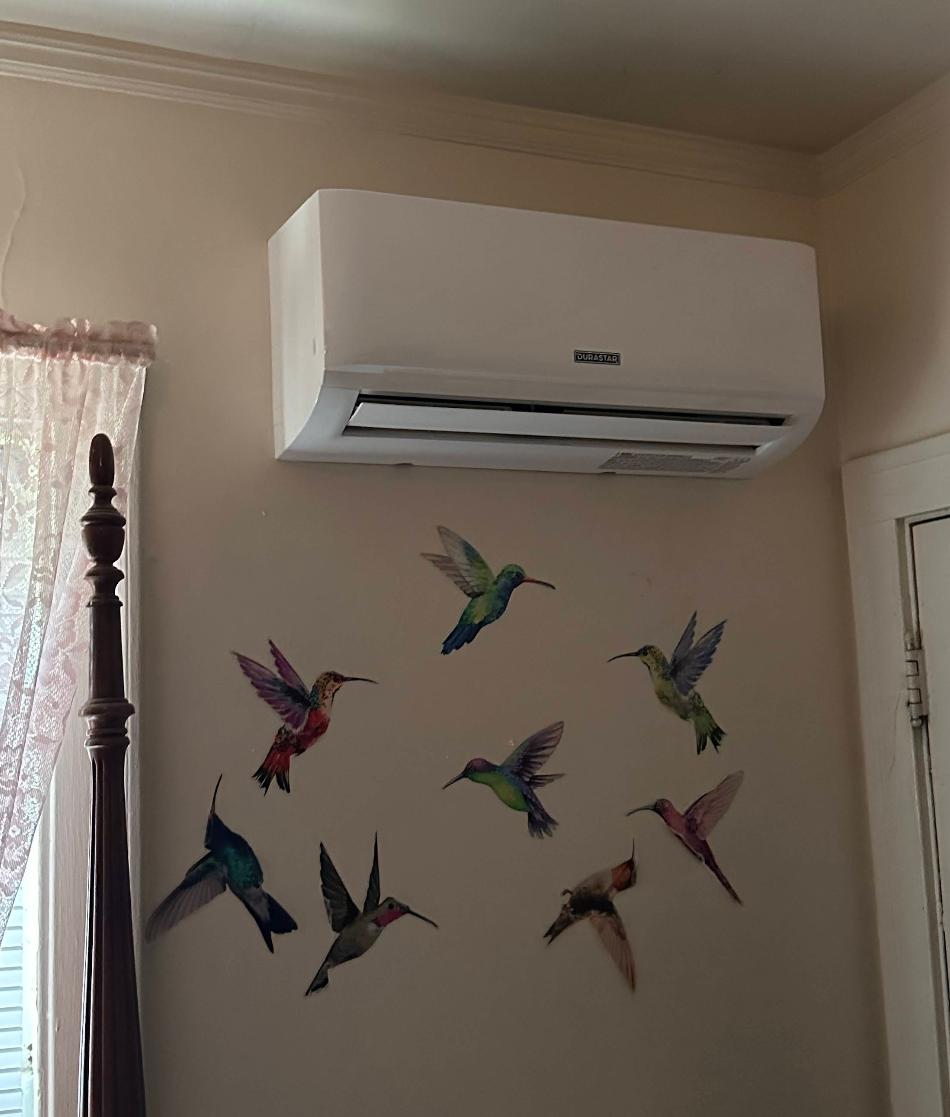

Smell of burning from your AC in River Grove signals a potential hazard; if you detect acrid smoke, sparks, or a persistent burning odor, shut your system off immediately and unplug only if it’s safe. Electrical failure or motor overheating can cause fires, so avoid restarting the unit. Contact a licensed HVAC technician and, if you see smoke or flames, evacuate and call 911 to ensure your safety.
Key Takeaways:
- If you smell a strong burning odor, see smoke, sparks, or a tripped breaker, shut the AC off immediately-these are signs of an electrical fire or motor failure.
- A faint burning or dusty smell when first running after storage can be normal; if it doesn’t clear within a few minutes or returns, power down and call a pro.
- After shutting down, cut power at the thermostat or breaker, ventilate the area, avoid resetting breakers or working on electrical components yourself, and contact a licensed HVAC technician in River Grove.
Common Causes of Burning Smell
Faulty wiring, failing motors, burnt capacitors and overheating compressors are the usual suspects when your AC emits a burning odor. You’ll also see smells from accumulated dust burning off after long idle periods or melted plastic from degraded insulation. Pay attention to smoke, visible charring, or repeated breaker trips-those signs point to an electrical fire risk and require immediate shutdown and service.
Electrical Issues
Shorted wires, loose terminal connections and a failing capacitor often produce a sharp, acrid burning-plastic smell; you might also notice arcing sounds or hot metal at the outdoor unit. If the breaker trips repeatedly or you see black soot, sparking, or melting at junctions, shut the system off at the breaker and call a licensed technician-electrical faults are the leading cause of HVAC-related fires.
Overheating Components
Worn fan motors, seized bearings and an overworked compressor can overheat and emit a sweet or oily burning odor; motors and compressors typically show problems after about 10-15 years of service. You may hear grinding, reduced airflow, or the unit cycling rapidly before the smell appears-those are signs a mechanical part is running hot and failing.
In many instances, restricted airflow from clogged filters or blocked condenser coils raises internal temperatures, making bearings and windings fail faster. Low refrigerant can force the compressor to overheat and draw excessive current; if you notice heat at the access panel, discoloration, or a persistent hot-metal smell, turn the unit off and have a technician measure amp draw and inspect bearings and the compressor housing for overtemp damage.
Signs You Should Shut Down Your AC
Visible smoke, sparks, melting plastic, repeated breaker trips or a sudden loss of power are signs you should shut the unit off immediately. You should also act if the system emits a hot, acrid odor that lingers or you spot oil leaking near the compressor. Shutdown immediately and cut power at the breaker if you see smoke or flames to prevent electrical fire or further damage.
Unusual Noises
High-pitched screeching for more than a few seconds usually means failing bearings or a seized blower belt; grinding often indicates metal-on-metal contact from motor bearing failure. Repetitive banging or thumping can point to a failing compressor or loose fan blades, and a sudden change from normal hum to loud clatter within minutes warrants immediate shutdown. If noise escalates during the first 1-3 minutes of operation, you should cut power and call a technician.
Persistent Burning Odor
If you smell persistent burning-plastic, rubber, or hot metal-that doesn’t dissipate within a minute or two, shut off the system and power at the breaker. Persistent electrical-smell after restart often signals overheated wiring, a failing motor, or a shorted capacitor; do not run the unit while the odor remains because the risk of fire increases quickly.
Overheated motor windings, frayed insulation, shorted capacitors, or melted wire jackets commonly produce that acrid smell; a clogged blower or seized motor can push current high enough to char insulation within minutes. Scan the air handler for discolored plastic, melted panels, or heat at junction boxes; if you detect visible heat or smoke, cut power and call 911 before touching anything. Otherwise you should shut power at the breaker and contact a licensed HVAC technician or electrician-do not attempt live ac repairs yourself.
Immediate Steps to Take
If you catch a burning smell, act fast: follow the safety precautions below, then shut down the system and call a licensed HVAC technician. If the odor intensifies or you see smoke or sparking within 1-2 minutes, evacuate everyone to at least 20-30 feet and call 911. For less severe cases, ventilate the space, switch off the unit, and contact a pro to inspect wiring, motor bearings, or a failing capacitor within 24 hours.
Safety Precautions
If you detect smoke or flames, get everyone out to a minimum of 20-30 feet and dial 911; do not try to fight an electrical fire. When only a smell is present, open windows for ventilation and avoid touching the unit, wiring, or metal panels. Also do not spray water on electrical components. If someone feels dizzy, get them fresh air and seek medical attention; carbon monoxide is possible if nearby combustion appliances are affected.
Turning Off the Unit
Start by setting your thermostat to OFF and the fan to OFF, then locate the outdoor disconnect (usually within 3-5 feet of the condenser) and switch it to OFF; finally, flip the A/C breaker at your main panel. If you see sparks, melting, or heavy smoke while approaching the panel, back away immediately and call emergency services instead of attempting a shutdown.
Many homes use a fused pull-out disconnect near the condenser; do not open access panels or touch capacitors, which can hold a charge. If a breaker tripped, avoid more than one reset-repeated trips indicate a persistent fault. In one local case, shutting the disconnect and contacting a licensed tech within an hour prevented a rooftop fire after a failing compressor started to smoke; get a professional inspection within 24 hours when possible.
When to Call a Professional
Signs of Serious Problems
If you detect a strong electrical burning odor, melting plastic scent, visible smoke, sparks, or repeated breaker trips when the AC runs, shut the system off and call a pro. Those symptoms commonly point to failed blower motors, burnt wiring insulation, or a failing capacitor – issues that can escalate to an electrical fire within minutes and require immediate specialist attention.
Importance of Timely Repairs
Delaying service increases the odds of larger failures and much higher bills: a bad capacitor often costs under $200 to replace, while a seized compressor or extensive wiring damage can push repairs past $1,000-$2,000. You should treat persistent burning smells as a high priority because prompt action can prevent costly failures and reduce safety risks to your home.
When the smell returns after a restart or lasts more than five minutes, keep the unit off and turn off power at the breaker until a technician arrives. Tell the tech how long the smell persisted, whether breakers tripped, any unusual noises, and recent service history – that detail helps them diagnose motor burnout, shorted wiring, or capacitor failure faster and gives you a clearer estimate for repair versus replacement.
Preventive Maintenance Tips
You should schedule at least a biannual inspection and do quick monthly checks to spot a burning smell or signs of electrical overheating; inspect wiring, motor mounts, and the drain pan, and keep filters clean to reduce compressor strain. If you see smoke, sparks, or persistent odor, shut off the unit and call a pro. The Worried About an AC Burning Smell? Here’s What to Do outlines emergency steps.
- Biannual inspections by a licensed HVAC technician
- Monthly visual checks for smoke, smell, or leaks
- Filter replacement every 1-3 months (more with pets)
- Electrical checks for scorched wiring and loose connections
Regular Inspections
You should have a licensed technician inspect your system at least once a year-ideally before summer-while you do quick checks every 4-6 weeks for unusual smells, hot spots, or vibration; technicians will test amp draws, capacitor health, and refrigerant levels, and a common finding is failing capacitors or loose wiring that raise the risk of a fire.
Cleaning and Replacing Filters
You should replace disposable filters every 1-3 months and check pleated or washable filters monthly if you have pets or allergies; choosing a proper MERV 8-13 filter balances filtration and airflow, and clogged filters raise motor stress and the chance of a burning odor.
More detail: turn off power at the thermostat and breaker before handling filters, then note the filter size and airflow arrow; disposable 1″ filters are cheap but need replacing every 30-90 days, while pleated 4″ filters last longer. For washable filters, vacuum first, wash with mild soap and water, air dry completely, and reinstall. Keep spare filters on hand and log change dates so you can show a technician recent maintenance during inspections.
Frequently Asked Questions
What to Do If the Smell Persists?
If the burning smell continues after you turn the system off, shut the HVAC breaker and leave the home if you smell smoke or see flames. If no visible fire, open windows to ventilate, avoid using appliances on the same circuit, and call a licensed HVAC technician; many River Grove companies offer emergency response within 24 hours. For electrical arcing or visible sparking, call your utility or 911 immediately, since electrical faults still cause thousands of residential fires annually.
How to Avoid Future Issues?
Schedule preventive service at least once a year, or every six months if you run the AC heavily; technicians typically charge $75-$200 for a tune‑up. Change filters every 1-3 months, keep at least 2 feet of clearance around the outdoor unit, and seal attic and duct leaks to prevent dust and rodent damage. Have wiring, capacitors, and motor amperage tested during service; units over 12-15 years often need replacement.
Ask your technician for an itemized checklist-contactor condition, capacitor ESR, motor amp draw, refrigerant pressure and duct leakage numbers. For example, a River Grove homeowner ignored intermittent burning for six months and faced a $2,500 compressor and wiring replacement; prompt fixes usually cost under $200. Consider a whole‑house surge protector and replace units older than 12 years, and log service and filter-change dates to spot trends early.
Final Words
A burning smell coming from your air conditioner in River Grove, IL is never something to ignore. While a brief dusty odor at startup can be normal, any persistent burning, electrical, or hot metal smell is a clear signal to shut the system down and cut power immediately. Electrical faults, failing motors, and overheated components can escalate quickly, putting your home, safety, and AC system at risk if the unit continues running.
River Grove homes often rely heavily on air conditioning during hot, humid summers, and that added strain makes electrical and motor issues more dangerous when they go unchecked. Acting fast, powering the system down, and calling a licensed professional can prevent costly damage, avoid emergency situations, and protect your household from fire or electrical hazards.
Need Emergency AC Repair in River Grove, IL?
If you notice a burning smell, repeated breaker trips, unusual noises, or loss of cooling, Eco Air Pros Heating & Cooling is ready to help. Our licensed technicians provide fast, professional AC repair in River Grove, IL with a strong focus on safety, accurate diagnostics, and lasting solutions.
We respond quickly, identify the root cause of the problem, and clearly explain your repair options so you can make an informed decision without pressure. Whether you need emergency AC service, a second opinion, or preventive maintenance to avoid future hazards, Eco Air Pros delivers dependable local expertise you can trust.
Call Eco Air Pros Heating & Cooling today for safe, reliable AC repair in River Grove, IL, and restore your comfort with confidence.


