
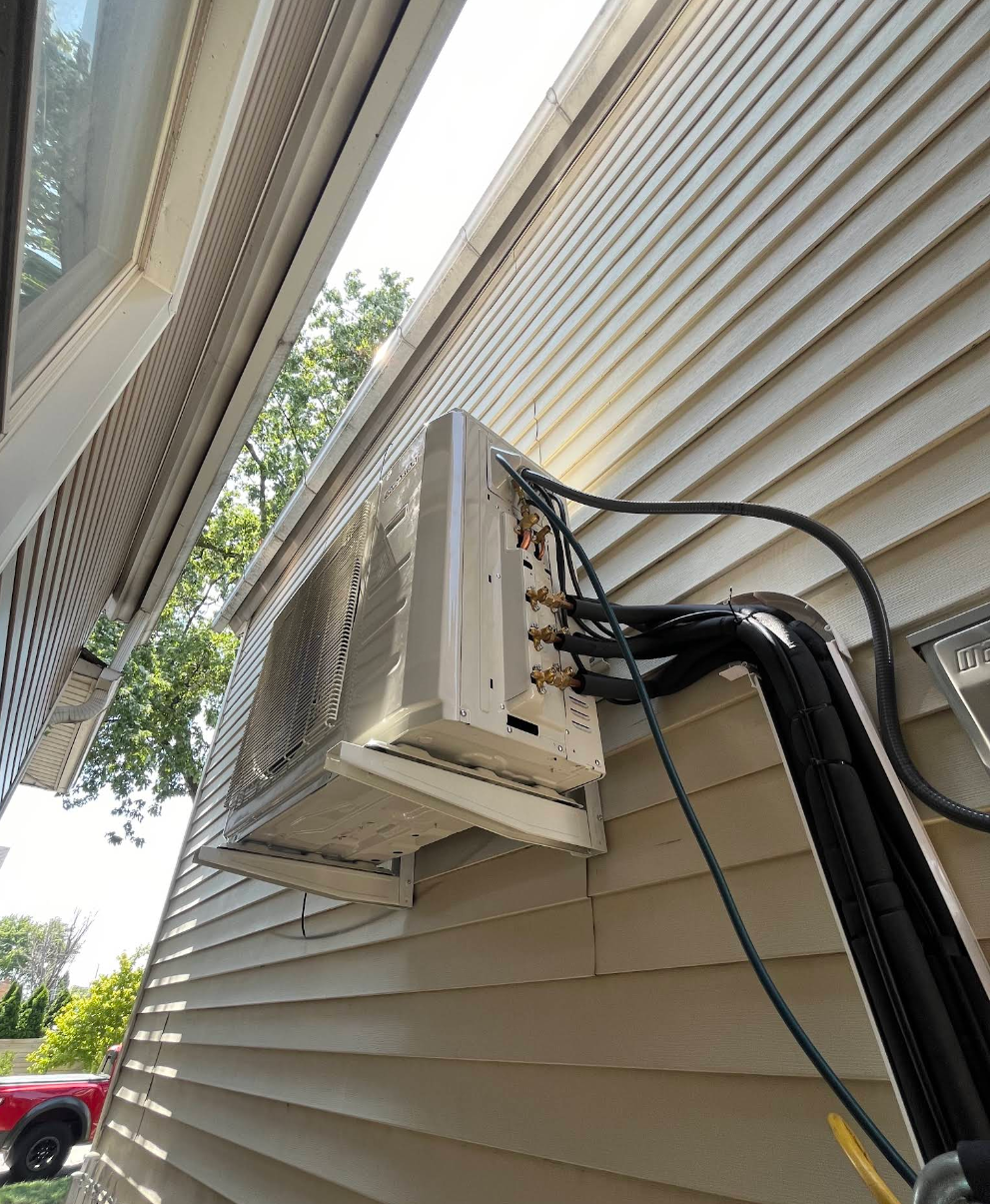

Just assess your AC’s age (over 12-15 years), repair history and efficiency to decide whether to repair or replace; if repair costs are more than 50% of replacement or you notice hazards like electrical faults or refrigerant leaks, replacement is safer. If your unit is relatively young and a targeted fix restores efficiency, repairing can save you money and extend comfort.
Key Takeaways:
- Compare repair vs replacement costs: if a repair is close to or exceeds about 50% of a new unit’s price or breakdowns are frequent, replacement usually makes more sense.
- Factor age and technology: units older than 10-15 years, with low SEER ratings, or using phased-out refrigerants (like R‑22) are prime candidates for replacement.
- Weigh long-term savings and service availability: a new system can cut energy bills and repair risk; get local contractor estimates and warranty comparisons before deciding.
Assessing the Age of Your AC Unit
When gauging age, check the outdoor unit’s nameplate for manufacture date or serial number; central systems typically last 12-15 years, heat pumps about 10-15, and window units around 8-10. If your unit is older than 12-15 years, efficiency drops and breakdown risk rises, especially if it uses phased‑out refrigerant or shows corrosion and oil leaks.
Understanding Lifespan Expectations
Age interacts with maintenance: a well‑maintained 14‑year unit can perform better than a neglected 7‑year one. You should factor hours of operation-urban homes with heavy summer run time in Melrose Park can add 1,500-2,000 hours per year-so a system running 2,000 hours annually will reach end‑of‑life sooner than one running 1,000 hours. Plan replacement sooner if repairs pile up or performance falls below 80% of original.
Identifying the Model and Efficiency
Find the model and SEER rating on the condenser nameplate or in the owner’s manual; older units often list SEERs between 6-10, while modern units run 14-20+, so upgrading can cut cooling energy by roughly one‑third when moving from a 10 to a 16 SEER. Also check the refrigerant type-units using R‑22 will be expensive to service.
If the nameplate is faded, note the full model and serial and use the manufacturer’s lookup or call a local dealer; many serials encode manufacture year but formats vary. Use the model to search for replacement coil availability, part lead times, and current SEER‑equivalent specs-this helps you compare repair costs versus a new 14-16 SEER unit and assess eligibility for rebates or local efficiency incentives.
Evaluating Repair Costs
Start by totaling parts, labor, and any permit or refrigerant fees; typical single-component repairs run from $150-$1,200, while major fixes like compressors can hit $1,200-$2,800. If your unit is over 10-15 years old, factor remaining life and expected efficiency loss-new units in Melrose Park often cost $3,500-$7,500, so you should weigh repair cost against that replacement range and potential energy savings.
Repair Cost Snapshot
| Capacitor/Contactor | $150-$350 |
| Fan Motor | $200-$600 |
| Refrigerant Recharge | $150-$450 |
| Coil Repair/Replace | $800-$1,800 |
| Compressor Replacement | $1,200-$2,800 |
Common Repair Issues
You’ll see frequent failures like refrigerant leaks (low cooling, higher bills), failed capacitors/contactors (unit won’t start), and corroded coils (reduced airflow); simple fixes average under $400, but a seized compressor or major leak often exceeds $1,000. If your system has repeated failures within 2-3 years, you’re likely paying more in repairs than you’d save by delaying replacement.
Typical Issues & Indicators
| Refrigerant Leak | Low cooling, $150-$450+ |
| Failed Capacitor/Contactor | Won’t start, $150-$350 |
| Corroded Coil | Reduced airflow, $800-$1,800 |
| Compressor Failure | No cooling, $1,200-$2,800+ |
Comparing Costs to Replacement
Apply a practical rule: if a single repair exceeds 50% of a replacement cost, or if your unit is older than 10 years and needs frequent fixes, replacing is usually smarter. For example, a $1,500 compressor on a 12-year-old unit versus a $4,500 replacement points toward replacement because you gain higher SEER efficiency and lower operating costs.
Repair vs Replace Scenarios
| Repair $400 on 8-year unit | Repair likely worth it |
| $1,500 repair on 12-year unit | Consider replacement ($3,500-$7,500) |
| Repeated $300 repairs annually | Replacement often cheaper long-term |
You should also calculate lifecycle costs: next 5-year repair estimates, expected efficiency gains (a new 16 SEER unit can cut cooling bills ~20-30% vs an old 10 SEER), and available rebates or tax incentives in your area. When energy savings plus fewer service calls offset the upfront difference within 3-7 years, replacement becomes the economically sound choice.
Factors Affecting Decision
| Age of Unit | Higher age → replacement favored |
| Energy Savings | New unit saves ~20-30% (10→16 SEER) |
| Frequency of Repairs | Multiple yearly fixes → replacement |
| Available Incentives | Local rebates can lower replacement cost |
Energy Efficiency Considerations
If your system is more than 10-12 years old, SEER ratings below 10, duct leakage of 20-30%, and outdated refrigerants will be lowering performance and raising bills; you should weigh expected runtime, seasonal cooling load in Melrose Park, and the frequency of expensive refrigerant top-ups when deciding whether to repair or replace.
The Impact of Older Units on Energy Bills
Older compressors and single-speed systems typically run longer and cycle more, so you can see 30-50% higher cooling energy use versus modern units; since cooling often represents nearly half of summer electricity demand, that inefficiency can translate into substantially larger monthly bills and more frequent component failures that further inflate operating costs.
Benefits of Modern AC Technology
Modern units with SEER 16+, inverter-driven variable-speed compressors, and smart controls cut runtime, improve dehumidification, and lower noise; pairing them with a smart thermostat can reduce cooling energy by another 10-15%, giving you steadier comfort and measurable utility savings.
For example, replacing a 12-year-old SEER 9 system with a SEER 18 inverter unit typically shortens compressor run cycles by about 40%, reduces humidity-related complaints, and often lowers annual cooling costs by roughly 30-40% depending on your usage pattern and thermostat settings-making the upfront investment pay back faster in hot, humid summers.
Climate and Environmental Factors
Your local weather and environmental rules shape whether you should repair an older AC. Summers in Melrose Park bring frequent heat waves and high humidity that increase runtime and wear. Pay attention to refrigerant rules and efficiency thresholds when weighing repairs versus replacement. After AC Repair vs Replacement: Signs It’s Time for a New System.
- Humidity
- R-22 refrigerant
- SEER / efficiency
- Utility rebates
Local Climate Impact on AC Performance
During Melrose Park summers average highs sit near the mid-80s°F but heat waves push temps into the 90s and humidity often exceeds 60%, so your unit works harder to remove both heat and moisture. That extra load can make an older low‑SEER system run 20-40% longer, raise electric bills, and leave rooms clammy; if you notice long runtimes, uneven cooling, or indoor RH above ~55%, your system’s capacity is likely marginal.
Environmental Regulations and Incentives
The R-22 phase‑out since 2020 means servicing older systems is increasingly expensive because reclaimed R-22 can exceed $100 per pound, while modern refrigerants and higher SEER standards improve efficiency. You should also look for local programs-Illinois utilities and municipalities often offer rebates that can range from a few hundred to over a thousand dollars for high-efficiency replacements.
Many rebates require equipment to meet specific criteria (for example, qualifying SEER levels or ENERGY STAR certification), professional installation by a participating contractor, and timely application submission-typically within 90-180 days of purchase-so you should verify program rules before committing to repair or replacement.
Personal Needs and Comfort Levels
Analyzing Your Comfort Requirements
Assess how often you run the system, who lives in the home, and which rooms need steady temperatures. If you have infants, seniors, or allergy sufferers, you’ll want continuous cooling and improved filtration. Older units with SEER 8-10 often struggle on midsummer days-Melrose Park averages mid‑80s°F in July-so consider a zoned solution or a properly sized unit (2-3 tons commonly serves about 1,000-1,500 sq ft) to keep humidity under 50%.
Future Plans and Home Considerations
If you plan to sell within a few years, repairing may suffice; if you intend to stay, replacement often pays off. Typical central AC replacement in the area runs about $3,500-$8,000, while modern systems with SEER 14+ can reduce cooling bills by roughly 15-30%, producing a common payback window of 5-8 years depending on usage and electric rates.
When you’re planning renovations or additions, factor in ductwork, insulation, and window upgrades because they can lower the capacity you need-downsizing from a 4‑ton to 3‑ton saves ongoing costs. Also check local utility rebates and seasonal offers to trim upfront expense, and account for timelines: a straight replacement typically takes 1-2 days, whereas duct or zoning work can extend the project to about a week.
Professional Advice and Second Opinions
When you bring in a pro, expect a clear diagnostic and cost range: typical diagnostic fees run $75-$200, capacitor swaps about $100-$250, refrigerant recharges $150-$300, and compressor replacements $800-$2,500. Ask for documented findings on airflow, refrigerant charge, and amp draw so you can weigh repair vs replacement; a refrigerant leak or electrical fault can pose safety risks, while a new 14-16 SEER unit often cuts energy use by 20-40%.
Finding a Trustworthy HVAC Technician
Seek technicians with NATE certification and an Illinois HVAC license, verify insurance, and check BBB and Google reviews; you should ask for at least three recent references and proof of parts warranties (commonly 1-10 years). Get a written estimate with line-item labor and part prices, and confirm they perform measured diagnostics (pressures, amp draw). Prioritize companies with documented service records for your unit model to avoid incorrect diagnoses and ensure reliable follow-up.
The Value of Multiple Assessments
Getting two or three assessments can change the outcome: one tech may list a $2,000 compressor while another identifies a $150 capacitor and a low refrigerant charge, saving you hundreds. Compare recommendations against the unit’s age (under 10 years favors repair; over 12-15 years often favors replacement) and factor in projected annual energy savings to make a cost-effective choice. Multiple opinions help you avoid unnecessary replacement and spot safety issues early.
A practical approach is to request written diagnostics from each evaluator showing measured pressures, superheat/subcooling, and compressor amp draw, plus a clear cost estimate for parts and labor and an expected remaining lifespan. Use those reports to compare apples-to-apples: written diagnostics, estimated hours, and total out-the-door price. That data gives you leverage to negotiate, verify warranty eligibility, and decide whether repair or a new 14-16 SEER system is the smarter investment.
Summing up
Deciding whether to fix or replace an older air conditioner in Melrose Park, IL comes down to a few critical factors: the age of your system, the total repair cost, efficiency loss, and how often breakdowns occur. If a targeted AC repair restores reliable cooling at a reasonable price and your unit is under 10 years old, repairing can be the most cost-effective option. However, when repair costs approach or exceed 50% of replacement, or when safety issues like refrigerant leaks or electrical faults are involved, replacement is usually the smarter and safer investment.
Melrose Park’s hot, humid summers place heavy demand on older, low-SEER systems, often leading to rising energy bills, uneven cooling, and repeated service calls. In many cases, upgrading to a modern, energy-efficient air conditioning system can lower cooling costs, improve humidity control, and provide long-term peace of mind through stronger warranties and reduced repair risk.
Get Honest AC Repair and Replacement Advice in Melrose Park, IL
If you’re unsure whether AC repair or replacement makes more sense for your home, Eco Air Pros Heating & Cooling is here to help. We provide trusted AC repair services in Melrose Park, IL along with clear replacement options when repairs no longer make financial sense. Our licensed technicians perform thorough diagnostics, explain your options clearly, and help you choose the solution that best fits your comfort needs and budget.
Whether you need a second opinion on a costly repair, help deciding if your older AC unit is worth fixing, or fast service to restore cooling, Eco Air Pros delivers dependable local expertise you can trust.
Contact Eco Air Pros Heating & Cooling today for professional AC repair or replacement in Melrose Park, IL, and get honest guidance designed to protect your comfort, safety, and long-term energy costs.


