
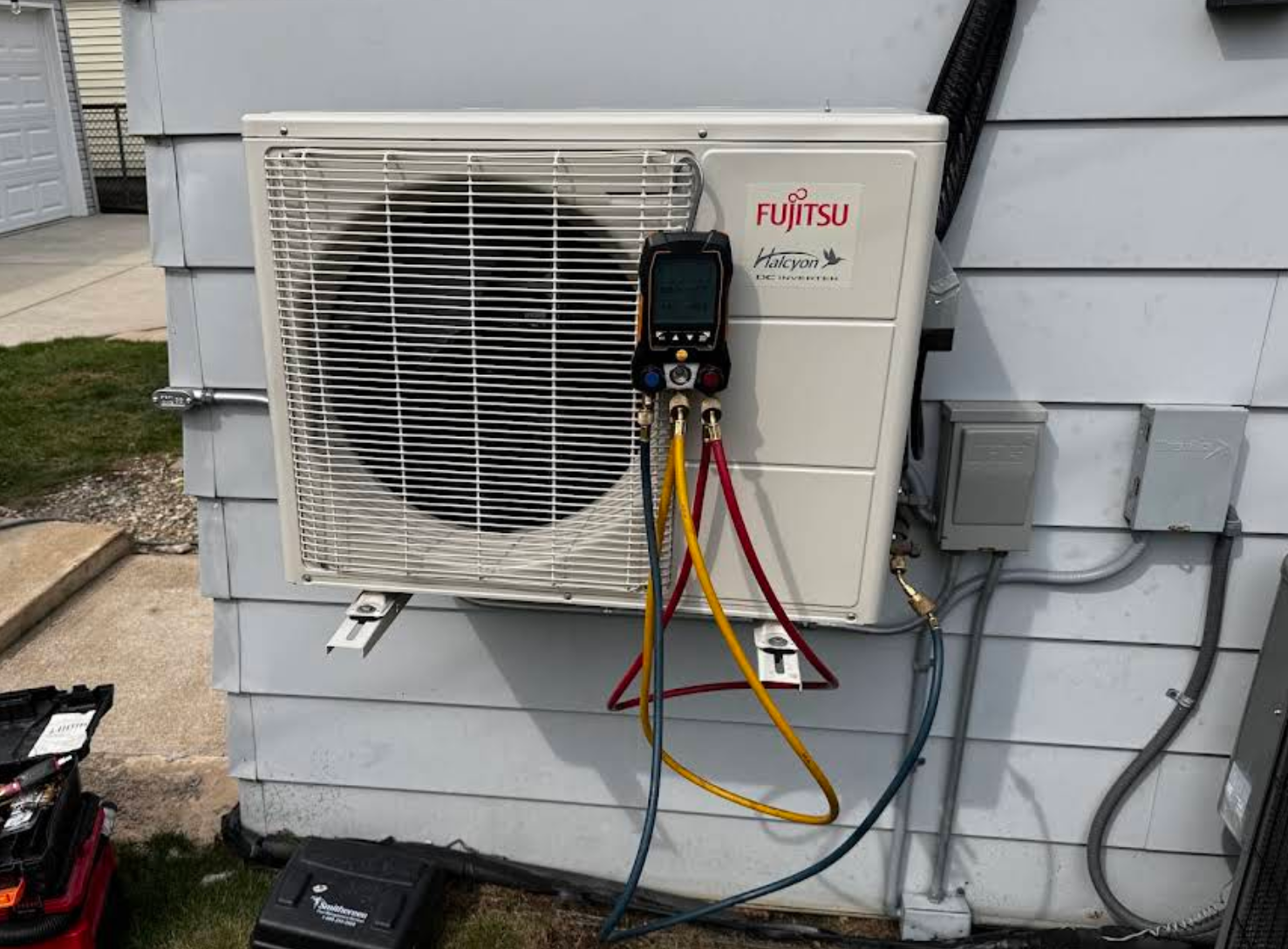

Over time, opting for bargain AC fixes in Melrose Park can leave you facing repeated breakdowns, higher energy costs and voided warranties; shoddy work often masks underlying faults that grow worse, and can create safety risks like refrigerant leaks or electrical fires. When you choose inexperienced technicians or cut-rate parts, your system loses efficiency and longevity, forcing more frequent costly replacements. Spending a bit more now on a licensed, properly trained technician protects your comfort and saves your wallet in the long run.
Key Takeaways:
- Cheap repairs often use low-quality parts or temporary fixes that fail sooner, leading to repeat service and higher cumulative costs.
- Inexperienced or unlicensed technicians may miss underlying problems or perform improper diagnostics, causing worsened damage and expensive replacements later.
- Skimping on proper diagnostics and maintenance reduces system efficiency and safety, increasing energy bills and the risk of major failures.
Understanding Cheap AC Repairs
You often see $79 tune-ups or parts-for-less offers, but those quick options commonly skip full diagnostics, ignore corrosion, or use substandard components. Technicians who cut corners may undercharge refrigerant or bypass capacitor/load tests, which can lower efficiency by up to 30% and lead to premature motor or compressor failure. When you choose the cheapest route, you’re trading immediate savings for a higher chance of breakdowns and bigger invoices down the line.
Common Misconceptions
You might think a patched leak or a cheap refrigerant top-up solves the problem, yet those fixes often mask underlying issues like corroded coils or failing compressors. Warranties can be voided by improper service, and a $50-$150 quick fix can precede a $1,000-$3,000 replacement. Professional diagnosis that includes pressure testing, electrical checks, and airflow measurement prevents these hidden costs.
Short-Term vs. Long-Term Costs
You can save $80-$150 today with a minimal repair, but that same shortcut commonly leads to a $1,000+ failure later. Proper repairs and component replacements typically add 3-7 years to equipment life and improve efficiency, while repeated short fixes increase both energy bills and the risk of emergency replacements.
For example, you might pay $95 for a refrigerant top-up and a patch; within 6-12 months a burned-out compressor can cost you $1,200-$2,000 to replace, plus labor. Choosing a thorough repair up front-new seal, proper refrigerant charge, capacitor and contactor checks-often results in lower lifetime cost, fewer service calls, and predictable budgeting for replacement when the system truly reaches end-of-life.
Risks of Choosing Low-Cost Services
Quality of Parts and Labor
When you choose the cheapest option, aftermarket compressors, capacitors, and filters often fail 2-3 times faster than OEM parts and can easily void your manufacturer’s warranty. Subpar installations-like incorrect refrigerant charge or loose electrical connections-can reduce system efficiency by 15-30%, turning a $200 repair into a $1,200-$2,500 replacement within months.
The Impact of Unqualified Technicians
You risk faulty diagnostics and unsafe work if the technician lacks proper credentials: handling refrigerants without EPA 608 certification, miswiring thermostats, or skipping safety checks can cause electrical hazards and an immediate 20-30% efficiency loss, leading to repeat service calls that outweigh any initial savings.
If a tech brazes poorly, you can get slow leaks that lead to compressor burnout costing $1,500-$3,000; thermostat miswiring makes your system short-cycle and often triggers 2-3 visits at $100-$250 each in the first year. You also face potential environmental fines if refrigerant isn’t recovered correctly, while licensed pros document work and help preserve your warranties.
Hidden Costs of Inexpensive Repairs
Cheap patches often mask bigger problems: improperly brazed joints, incorrect refrigerant charge, or skipped diagnostics. You can void a manufacturer warranty and face component replacements costing $400-$2,000, while repeated emergency calls inflate your bill. Improper work also raises the risk of refrigerant leaks or electrical faults, creating real safety hazards. Industry reports show these hidden expenses frequently eclipse initial savings within 12-24 months.
Frequency of Future Breakdowns
Temporary fixes like patching a leak or bypassing a sensor usually fail under stress, so you often end up calling a technician more often; many contractors report 2× the service calls within 12 months after a quick, low-cost repair. You might pay $100-$200 per call before a failing compressor or capacitor forces a $1,000+ replacement, turning the cheap fix into a far larger expense.
Energy Efficiency and Bills
If a repair leaves your system undercharged, misaligned, or with dirty coils, your unit will run longer and use more power: energy use can jump 20-33%. For a typical 3‑ton system running 8 hours daily, that translates to roughly $20-$40 extra per month during summer, quickly negating any up-front savings from the inexpensive repair.
For a concrete example, a 3‑ton (36,000 BTU/hr) unit at SEER16 uses about 18 kWh/day running 8 hours, while at SEER12 it uses ~24 kWh/day-an extra ~6 kWh/day. At $0.15/kWh that’s about $25-$30 more per month in peak months. Poor repairs that lower effective SEER or add runtime compound this cost every cooling season until you replace the unit.
Improving Your AC System Budget
Prioritize investments that lower total ownership cost: schedule an annual tune-up ($100-$200) to catch issues early, swap disposable filters every 1-3 months ($10-$30), seal duct leaks to cut wasted cooling, and install a programmable thermostat to shave 10-20% off energy bills. You can defer major replacements by fixing electrical components promptly and comparing the long-term savings of a higher-SEER unit versus repeated repairs when systems exceed 12-15 years.
Identifying Quality Services
Choose contractors with a valid license, EPA refrigerant certification, and at least 3-5 years of local experience; ask for itemized written estimates, parts warranties, and references. Verify online reviews for response time and follow-through, and request before/after photos for diagnostic work. A common win: a Melrose Park tech replaced a failing capacitor for about $150, avoiding a $1,800 compressor replacement-insist on diagnostics, not guesswork.
Long-Term Maintenance Strategies
Build a calendar: pre-season professional tune-up, quarterly filter changes, annual duct inspection, and mid-season condensate/drain checks. Have refrigerant charge and thermostat calibration verified each year, and document service dates to preserve warranties. Small recurring costs-filters, yearly service-prevent costly failures and keep efficiency high so you avoid emergency replacements during peak summer demand.
Implement a tiered maintenance plan: you handle monthly filter swaps and keeping outdoor coils clear, while a pro does annual coil cleanings, refrigerant leak tests, and electrical safety checks. Track performance: note runtime hours and suction/discharge pressures during service to spot gradual decline. Consider replacing units older than 12-15 years or those using phased-out refrigerants (R-22) since a full retrofit or compressor swap can run $1,500-$3,000; by contrast, routine maintenance and timely capacitor/contactor replacements (often $100-$300) typically extend life by 3-5 years and save 10-20% on energy, while preventing dangerous refrigerant leaks and electrical failures.
Signs Your AC Needs Immediate Attention
Warning Indicators
If you hear grinding, hissing, or loud banging when the system starts, or your airflow drops noticeably while indoor temps rise, you should act fast; a sustained energy bill increase over 15% during cooling months often signals inefficiency or refrigerant loss. Other red flags are water pooling near the unit, a persistent burning or electrical smell, or frequent short-cycling-each can lead to compressor or electrical failure if left unaddressed.
Proactive Measures
Change or inspect your filter every 1-3 months and keep at least 2 feet of clearance around the outdoor unit; gently rinsing fins with a garden hose and clearing debris can prevent coil damage. Schedule a professional tune-up each spring-these services typically run $75-$200-and prioritizing them can save you hundreds by avoiding premature component replacements.
A professional tune-up should include cleaning coils, checking refrigerant charge and leak-testing, tightening electrical connections, testing capacitors and contactors, clearing the condensate drain, and verifying thermostat calibration. Catching a failing capacitor or worn contactor early can cost $100-$300 to repair, whereas a compressor replacement can run $1,200-$2,500; addressing worn electrical parts or leaking refrigerant now prevents those far higher bills.
Customer Testimonials and Case Studies
Customers in Melrose Park who chose Cheap AC Repairs often saved under $200 up front but later faced $800-$1,500 replacements; you saw repeated compressor failures within 6 months, warranty voided, and energy use up 20-30%. The following case numbers and data show how a low initial price frequently becomes a much larger bill.
- Case 1: Homeowner paid $120 for a capacitor “fix”; unit failed in 4 months; subsequent compressor replacement $950 plus 10 days downtime; energy use rose 22% while waiting.
- Case 2: $200 patch for a refrigerant leak returned in 2 months; full coil replacement $1,400 and 15 lb R-410A recharge required; efficiency loss measured at 30% before replacement.
- Case 3: DIY thermostat swap $75 caused short-cycling; compressor burnout at 9 months led to $1,100 replacement and warranty voided by improper installation.
- Case 4: Small business accepted $150 tune-up; compressor motor seized after 5 months, costing $2,800 repair plus 3 days lost revenue (~$2,400); professional initial service would have been $1,200.
- Case 5: Skipped seasonal maintenance, used a $50 quick clean; blower motor failure after peak season required $900 replacement and produced a 25% higher energy bill during the failure period.
Real-Life Experiences
One Melrose Park homeowner paid $150 for a “fast” fix, saved $150 immediately, then faced a $1,250 compressor replacement three months later; you experienced higher electric bills (about 18%) and two service calls, which together cost more than a proper repair and a written warranty would have covered.
Lessons Learned
After reviewing cases you should insist on diagnostics, confirm the technician is licensed, and get a written estimate and warranty; cheap fixes often skip necessary troubleshooting, increasing the chance you’ll pay multiples later.
Data shows paying 2-3× more for a correct repair up front often extends component life by 2-4 years and reduces energy use by 10-30%; when you compare a $500 proper repair versus a $1,200 emergency replacement within a year, the long-term cost and downtime make the higher-quality service the better investment.
To wrap up
Choosing the cheapest AC repair in Melrose Park, IL may seem like a smart way to save money, but in reality it often leads to repeat breakdowns, higher energy bills, and premature system failure. Low-cost fixes frequently skip proper diagnostics, use inferior parts, or fail to address the root cause of the problem. Over time, those shortcuts turn small issues into major repairs that cost far more than doing the job right the first time.
Melrose Park’s hot, humid summers put constant strain on air conditioning systems, and poorly executed repairs only accelerate wear on critical components like compressors, motors, and coils. When efficiency drops or safety risks such as refrigerant leaks and electrical faults are ignored, homeowners end up paying for emergency AC repairs, lost comfort, and sometimes full system replacement much sooner than expected.
Choose Trusted AC Repair in Melrose Park, IL
If you want dependable results and real long-term savings, Eco Air Pros Heating & Cooling delivers professional AC repair services in Melrose Park, IL with honest diagnostics and quality workmanship. Our licensed technicians focus on fixing the root cause of the problem, using proper parts and proven repair methods that protect your system, your warranty, and your budget.
Whether your AC is struggling to keep up, cycling too often, or has already had multiple “cheap” repairs, Eco Air Pros can provide a clear second opinion and a reliable solution. We help homeowners avoid repeat failures, reduce energy waste, and restore cooling performance you can trust.
Schedule your AC repair in Melrose Park, IL with Eco Air Pros Heating & Cooling today, and invest in a solution that saves you money now and protects your comfort for years to come.


