


Key Takeaways:
- Diagnostic fee covers technician travel, on-site inspection, troubleshooting, basic system testing, and a written estimate of recommended repairs.
- Fee is commonly credited toward the repair cost if the customer authorizes the repair during the same visit or within the company’s specified credit window (typically 24-30 days).
- Fee may be waived for customers with active maintenance agreements, valid manufacturer warranties, or promotional offers; after-hours or emergency service calls often carry higher diagnostic charges.
Understanding the AC Diagnostic Fee: What It Covers
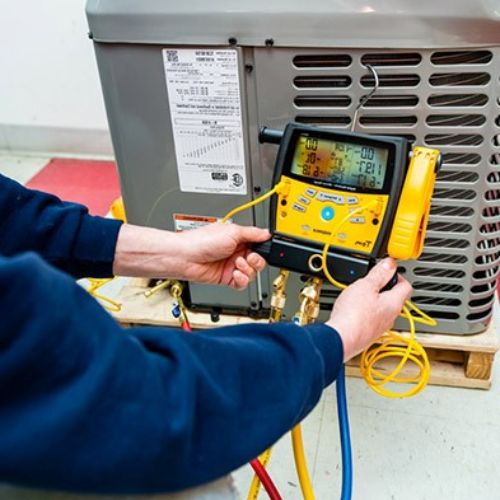
This fee ensures you receive a full system evaluation, covering measurements, airflow checks, and thermostat calibration, and it flags issues like refrigerant leaks or electrical hazards. You get a written diagnosis and repair estimate so you can decide next steps with confidence.
Comprehensive System Inspection and Performance Testing
Technicians inspect coils, condensate drains, and ductwork, measuring pressures and temperatures so you know exactly what’s failing. The process uncovers hidden leaks and blocked airflow that reduce efficiency and raise bills.
Expert Labor and the Use of Specialized Diagnostic Tools
Certified technicians use refrigerant gauges, meters, and thermal imaging so you get an accurate diagnosis; their labor covers testing, interpretation, and safety checks to protect your home and system.
Expect technicians to calibrate sensors, run refrigerant pressure curves, and isolate intermittent faults so you avoid repeat visits. Their tools find minor refrigerant undercharge or unsafe wiring, and their labor time includes retesting after repairs to confirm the system operates safely.
Common AC Issues Identified in Oak Park Homes
Homes in Oak Park often face aging ductwork, filter buildup, or thermostat drift that prompt diagnostic visits; you’ll notice uneven cooling, strange odors, or rising bills. Technicians check for refrigerant leaks, electrical faults, and blocked airflow during a standard diagnostic.
Refrigerant Leaks and Electrical Component Failures
Leaks in the refrigerant lines reduce cooling and can damage the compressor; you should report hissing sounds, oily stains, or ice on coils immediately. Electrical component failures like bad capacitors or relays cause cycling or no-start and can pose a fire hazard.
Airflow Obstructions and Thermostat Malfunctions
Blocked returns, clogged filters, and closed vents limit airflow, so you’ll get uneven cooling and extra wear; technicians often find pet hair, insulation debris, or crushed ducts during diagnostics, and simple fixes can restore performance.
When airflow is restricted, your system runs longer and temperatures spike and energy costs rise; you should inspect filters monthly, keep returns clear, and open obstructed vents. Thermostat problems range from dead batteries and misconfigured scheduling to wiring faults-if replacing batteries or resetting the thermostat doesn’t fix it, have a technician test sensors and control wiring.
Why a Professional Diagnostic is Essential
You get an accurate diagnosis that prevents wasted parts and unsafe operation, ensuring technicians identify refrigerant leaks and electrical faults before you pay for repairs.
Avoiding Costly Misdiagnosis and Part Replacement Errors
Professional technicians help you avoid unnecessary part replacements and recurring failures by testing systems thoroughly, saving you money and preventing unsafe repeat breakdowns.
Ensuring Compliance with Local Oak Park Building Codes
Local inspections protect you from fines and ensure electrical and venting work meets Oak Park standards, avoiding failed inspections or forced rework that raise costs.
Contractors familiar with Oak Park requirements will pull required permits, complete inspection forms, and provide compliance documentation so you avoid delays, liabilities, or issues when selling your home.
Scenarios Where the Diagnostic Fee is Typically Waived
If your AC issue falls under a manufacturer’s warranty, stems from a recent repair, or creates a safety hazard, technicians in Oak Park will often waive the diagnostic fee; you may also see waivers during promotions or covered service-plan visits.
Applying the Fee Toward the Total Cost of Repairs
When you approve recommended repairs, many companies credit the diagnostic fee toward the total repair cost, lowering your upfront expense and encouraging prompt fixes to avoid larger failures.
Benefits of Annual Maintenance Agreements and Service Plans
Signing an annual plan gives you scheduled tune-ups, priority scheduling, and waived diagnostics for covered visits, plus parts and labor discounts that reduce long-term costs and improve reliability. With a service plan you get biannual inspections, priority emergency response, and parts and labor discounts; regular maintenance extends equipment life, raises efficiency, and cuts the risk of a dangerous mid-summer breakdown that leaves you without cooling.
Transparency and Pricing Standards in the Oak Park Area
Oak Park residents should see diagnostic fees and possible waivers clearly listed by your provider; review the AC Service Oak Park IL page for local pricing examples and policies.
Standard Daytime Rates vs. After-Hours Emergency Calls
Daytime technicians charge standard rates, while emergency calls often include a sizeable after-hours surcharge; you should confirm total cost for nights or weekends before authorizing any repairs.
Understanding Written Estimates and Itemized Billing
Written estimates protect you by specifying labor, parts, and whether the diagnostic fee will be applied to the final cost; always request an itemized bill to review each charge.
You should insist on a detailed written estimate before non-emergency work so the scope, parts, labor rates, and the handling of the diagnostic fee are explicit; verify taxes, disposal, or permit costs are included and require technician authorization for any extra charges beyond the estimate to ensure price protection and avoid surprise invoices.
How to Prepare for Your AC Diagnostic Visit
Prepare your home so the technician can work efficiently: clear access to units, secure pets, and have recent service records handy to avoid delays and potential extra charges.
Providing Clear Access to Indoor and Outdoor Units
Ensure you clear furniture and debris and leave 2-3 feet clearance around units; trim plants and remove hazards. If you must access the outdoor condenser, turn off the power at the breaker before moving anything to avoid electrical risk.
Compiling a History of Recent System Behavior and Noises
List recent symptoms with timing, thermostat readings, and any unusual noises or smells; note how often they occur and any recent repairs to speed diagnosis and clarify potential coverage.
Detail the timing, triggers, and duration of problems, and attach photos or videos of sounds so the tech can reproduce issues more quickly. Include thermostat settings, recent outages, and any odors or leaks; if you saw smoke or leaking refrigerant, tell the technician immediately for safety. Complete records can reduce diagnostic time and may help waive the fee if covered by warranty or a service plan.
Final Words
In Oak Park, an AC diagnostic fee is essentially your professional roadmap—it covers the technician’s trip, a complete system inspection, targeted electrical and performance testing, and a clear written estimate so you’re not guessing (or swapping parts blindly). In many cases, that fee is credited or waived when you approve repairs during the same visit, have an active maintenance plan, or qualify through warranty or seasonal offers—so it’s worth asking about the provider’s policy upfront.
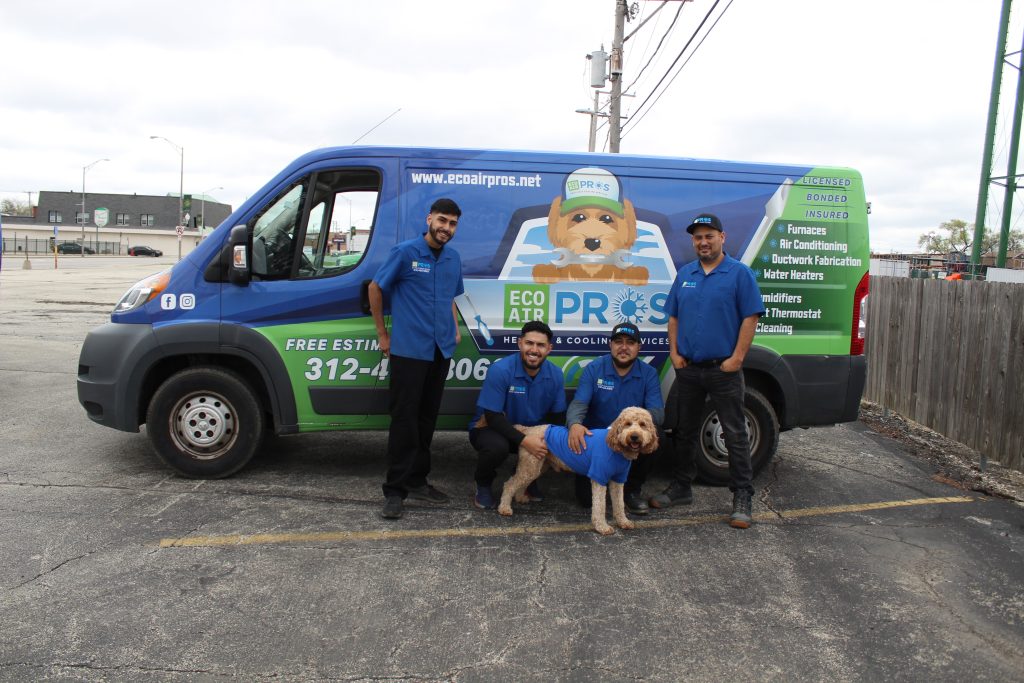
If you want an honest diagnosis with no confusion, Eco Air Pros Heating & Cooling is ready to help. We take the time to pinpoint the real cause—whether it’s airflow restrictions, thermostat issues, electrical components, or a refrigerant problem—then explain your options clearly so you can decide what makes sense for your home and budget. When your AC isn’t keeping up, book an Oak Park AC diagnostic with Eco Air Pros and we’ll help you get back to reliable, efficient cooling—without surprise add-ons or guesswork.


