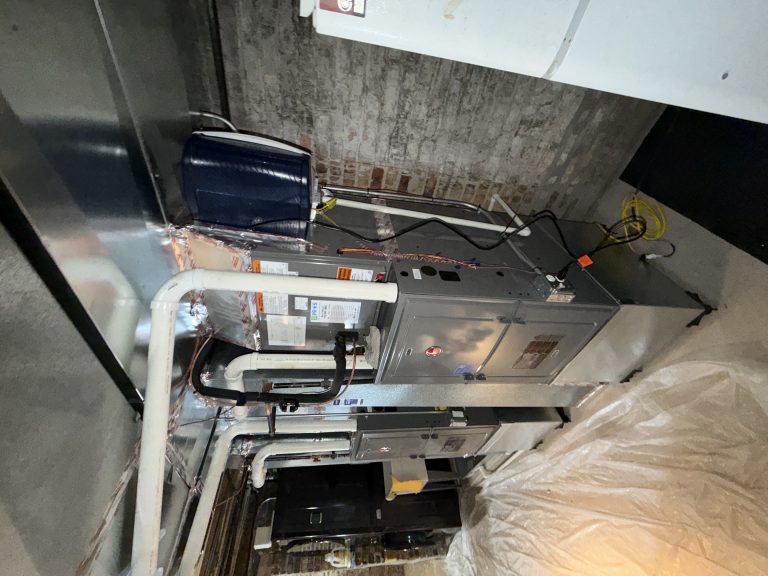
Understanding Your Furnace Fan's Vital Role in Jefferson Park Homes
The furnace fan, or blower, is the unsung hero of your home’s heating system, especially when chilly Jefferson Park winters arrive. It’s responsible for circulating the warm air produced by your furnace throughout your entire house, ensuring consistent comfort. When your furnace ignites and produces heat but no air comes out of the vents, it’s a clear sign that your furnace fan isn’t working as it should. This can quickly turn a cozy home into an uncomfortably cold one, making it essential to understand why this component might fail.
For many homeowners in Jefferson Park, especially those in older properties, furnace issues can be a common concern as systems age and encounter wear and tear. A properly functioning fan not only distributes heat but also plays a role in overall indoor air quality by moving air through your filtration system. Without it, your home can feel stuffy, cold spots can emerge, and your heating system might even overheat due to a lack of airflow. Recognizing the symptoms of a failing fan early can save you from more significant heating problems down the line, ensuring your family stays warm and comfortable even on the coldest days in our community.
Initial Checks: Power, Thermostat, and Circuit Breaker

When your furnace fan isn’t working, the first steps involve checking the most basic elements: power supply and thermostat settings. Before you dive into anything more complex, ensure your thermostat is set correctly. It should be on “Heat” mode, and the fan setting should be on “Auto” for normal operation, or “On” if you want continuous airflow. If it’s on “Auto,” the fan will only run when the furnace is actively heating. If it’s on “On,” the fan should be running constantly, regardless of whether the furnace is generating heat.
In Jefferson Park, where temperatures can plummet, homeowners rely heavily on their heating systems, so a simple setting error can be frustrating. Next, head to your home’s electrical panel. Locate the circuit breaker labeled for your furnace or HVAC system. Sometimes, a power surge or an electrical issue can trip the breaker, cutting power to your unit. If it’s tripped, simply flip it firmly to the “Off” position and then back to “On.” Wait a few minutes and see if the furnace fan starts. If it trips again immediately, there’s a more serious electrical problem that requires professional attention. These initial checks are crucial because they address the most common and easily fixable reasons for a fan malfunction, potentially saving you time and worry.
The Importance of a Clean Filter and Clear Airflow
A dirty air filter is a surprisingly common culprit behind a furnace fan not working efficiently or at all. When the filter becomes clogged with dust, pet dander, and other airborne particles, it restricts airflow significantly. This not only makes your furnace work harder to push air through, leading to higher energy bills, but it can also cause the blower motor to overheat and shut down as a safety measure. For homes in Jefferson Park, especially during seasons when heating is constant, filters can accumulate debris quickly.
It’s recommended to check and replace your furnace filter every one to three months, or more frequently if you have pets or allergies. A quick visual inspection will tell you if it’s time for a change. Simply slide out the old filter and compare its color to a new one; if it’s dark and visibly dirty, it’s time for a replacement. Beyond the filter, ensure all supply and return vents in your home are open and unobstructed. Blocked vents can also restrict airflow, creating pressure imbalances that can stress your furnace fan. Clear away furniture, rugs, or anything else that might be blocking airflow, allowing your system to breathe freely and operate as intended. Maintaining clear airflow is fundamental to the health of your entire HVAC system.
Blower Motor, Capacitor, and Limit Switch Issues
If the basic checks don’t resolve the issue, the problem might lie within the furnace’s internal components, such as the blower motor, its capacitor, or the limit switch. The blower motor is the heart of your furnace fan system, directly responsible for spinning the fan blades. Over time, these motors can wear out, accumulate dirt, or simply fail. A common sign of a failing motor, beyond the fan not working at all, might be unusual noises like humming or grinding before it completely stops.
The motor’s capacitor provides the initial jolt of electricity needed to start the motor. If the capacitor is faulty, the motor won’t get the necessary boost to begin operating. This often results in the motor making a humming sound but failing to spin the fan. Another critical component is the limit switch, which is a safety device. It monitors the furnace’s internal temperature and will shut off the fan if the furnace gets too hot, preventing overheating. If this switch malfunctions, it might incorrectly signal an overheat, preventing the fan from running even when temperatures are normal. These components are complex and require a certain level of technical expertise to diagnose and repair safely. Attempting to troubleshoot these parts without proper knowledge can be dangerous and could cause further damage to your heating system in your Jefferson Park home.
Investigating the Control Board and Wiring
Beyond the mechanical components, the furnace’s control board and associated wiring can also be the reason your furnace fan isn’t working. The control board is essentially the “brain” of your furnace, sending signals to various components, including the blower motor, telling it when to start and stop. If there’s a malfunction on the circuit board, it might not be sending the correct commands, or any commands at all, to the fan. Issues can range from a burnt-out fuse on the board to a complete board failure.
Wiring problems are another common cause. Loose connections, corroded wires, or even wires chewed by pests can interrupt the electrical flow to the fan motor or control board. When inspecting, always ensure the power to your furnace is completely shut off at the breaker. Look for any visible signs of damage, such as frayed wires, scorch marks on the control board, or loose terminals. While a visual inspection can sometimes reveal obvious issues, diagnosing control board problems often requires specialized tools like a multimeter to test continuity and voltage. These are delicate and intricate parts of your furnace, and any incorrect handling could lead to electrical hazards or damage to the entire system. In Jefferson Park, especially in older homes, wiring can degrade over time, making these checks particularly relevant for maintaining a reliable heating system.
When Professional Air Duct Cleaning Can Impact Fan Performance
While not a direct cause of a furnace fan not working, excessively dirty air ducts can significantly strain your blower motor and impact its long-term performance. Over years of use, air ducts accumulate a substantial amount of dust, debris, allergens, and even mold. This buildup creates resistance, forcing your furnace fan to work much harder to push air through the constricted pathways. The increased workload can lead to premature wear and tear on the motor, potentially causing it to overheat, draw excessive power, or even fail completely. Imagine trying to breathe through a clogged straw; your lungs have to work much harder. The same principle applies to your furnace fan and dirty ducts.
When air circulation is severely hampered, the fan might struggle to maintain proper airflow, leading to reduced heating efficiency and uneven temperatures throughout your Jefferson Park home. Regular duct cleaning can alleviate this strain, allowing your fan to operate more efficiently and extending its lifespan. It also contributes to better indoor air quality, which is beneficial for everyone in the household. While cleaning your filter is a homeowner task, professional duct cleaning ensures a thorough removal of deep-seated contaminants, optimizing your entire HVAC system’s airflow and reducing the burden on your furnace fan.
Safety First: When to Call for Professional Furnace Repair
While some initial checks can be performed by homeowners, it’s crucial to prioritize safety and recognize when a professional is needed. Dealing with electrical components, gas lines, or complex furnace internals carries inherent risks, including electrical shock, gas leaks, or further damage to your expensive heating system. If you’ve checked the basics like the thermostat, circuit breaker, and air filter, and your furnace fan still isn’t working, it’s time to call in the experts.
Attempting DIY repairs on intricate components like the blower motor, capacitor, control board, or wiring without proper training and tools can be dangerous. Professionals have the diagnostic equipment to accurately pinpoint the problem and the expertise to repair it safely and effectively. They can also ensure that any repairs comply with local safety standards and manufacturer specifications. For reliable furnace repair, especially during the cold months in Jefferson Park, trusting a certified HVAC Contractor in Jefferson Park is the smartest choice. They can quickly resolve the issue, restoring warmth and comfort to your home while ensuring the system operates safely and efficiently. Don’t hesitate to reach out if you’re unsure or uncomfortable with any step of the troubleshooting process.
Proactive Steps: Maintaining Your Furnace for Long-Term Comfort
Beyond addressing immediate issues like a non-functioning furnace fan, proactive maintenance is key to preventing future breakdowns and ensuring your heating system runs efficiently throughout its lifespan. Regular HVAC maintenance includes comprehensive inspections, cleaning, and tuning of your entire system, not just the furnace. During these routine checks, technicians can identify potential problems with the blower motor, capacitor, wiring, or control board before they escalate into major failures. They’ll also ensure your system is clean, your filter is appropriate, and all components are operating within optimal parameters.
This not only extends the life of your furnace but also helps maintain its energy efficiency, potentially saving you money on utility bills over time. In Jefferson Park, where winters can be harsh, a well-maintained furnace is not just a luxury but a necessity for home comfort and safety. Don’t wait until your furnace fan isn’t working to think about its health. Consider scheduling annual tune-ups to keep your heating system in top condition. For expert service and to ensure your home stays warm and comfortable, contact a trusted HVAC Contractor in Jefferson Park like Eco Air Pros Heating & Cooling. We are here to help with all your heating and cooling needs, ensuring peace of mind season after season.